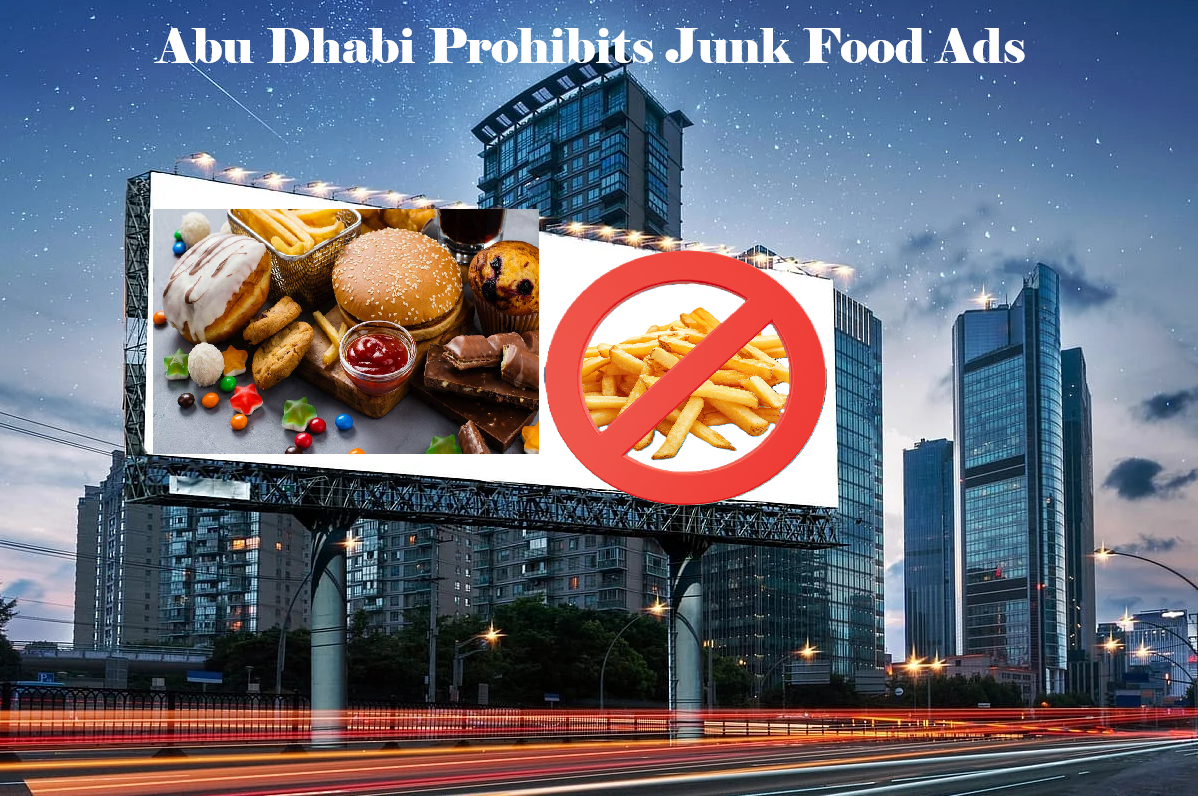
Abu Dhabi Prohibits Junk Food Ads to Encourage Healthier Lifestyles
Abu Dhabi has implemented a significant public health initiative by banning outdoor advertising of junk food and unhealthy beverages throughout the emirate. This measure, part of the Healthy Living Abu Dhabi programme, aims to mitigate the marketing exposure of sugary, high-fat, and processed foods, promoting healthier eating habits among both residents and visitors.
What the Advertising Ban Covers?
Under the new regulations, all outdoor advertising platforms — including billboards, public transport displays, street furniture, building facades and digital screens — will no longer feature ads promoting unhealthy food and drink products. These include items high in sugar, salt, or unhealthy fats, such as fast food, sugary sodas, candy, fried snacks and similar products considered nutritionally poor.
Main Highlights of the Policy
Outdoor advertising ban
- Unhealthy food and beverage products are categorized under SEHHI grades C, D, or E.
- Promotion of these unhealthy products in outdoor media is prohibited.
Nutri-Mark labelling
Front-of-pack labels categorize food products on a scale from A, indicating the highest nutritional value, to E, representing the lowest nutritional quality. This system is designed to inform and assist both regulatory bodies and consumers in making healthier dietary choices.
Media and brand restrictions
Brand-only advertisements that do not include product images face restrictions if they promote unhealthy products.
Supermarket and school policy alignment
The initiative aims to enhance public health by relocating unhealthy food items in supermarkets away from high-traffic areas, which complements ongoing efforts to improve the quality of food provided in schools.
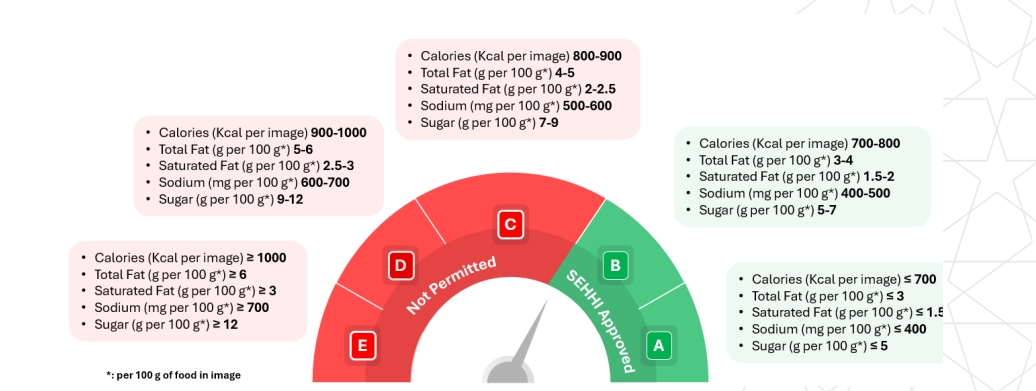
Which Food / Drink products are banned from Outdoor Advertising in Abu Dhabi?
Food and drink products that exceed certain nutritional limits in Abu Dhabi are banned from outdoor advertising.
Specific thresholds include:
- Over 800 calories
- More than 4g of fat
- More than 2g of saturated fat
- Over 500mg of sodium
- More than 7g of sugar per 100g.
Why the Regulation Matters?
Officials state that minimizing junk food promotions in daily life enhances the visibility and accessibility of healthier options. By restricting the marketing of high-calorie, high-sugar, and high-fat foods in public areas, the policy aims to aid residents and visitors in cultivating improved dietary habits, which is particularly important during early life stages.
Healthy Living Abu Dhabi leaders indicate that the focus of the ban is not to assign blame for individual food choices but to transform the food environment. This transformation aims to facilitate healthier decision-making, making it easier and more instinctive for individuals to choose healthier options.
A Broader Public Health Strategy
The advertising ban is a component of a broader health initiative in Abu Dhabi, which includes enhanced food labeling systems such as Nutri-Mark, modifications to product placements in supermarkets, and higher nutritional standards in schools and workplaces. These efforts collectively aim to mitigate dietary risks in daily life.
How will the junk food advertising ban affect businesses in Abu Dhabi?
Food and beverage companies that depend on outdoor advertising are required to reassess their marketing strategies due to new regulations. Brands that advertise unhealthy products might have to transition to alternative advertising methods or adjust their product formulations to comply with stricter nutritional standards. This change presents both a challenge and an opportunity, urging companies to focus on innovating healthier products and promoting them responsibly.
Abu Dhabi School Food Rules 2026: What’s on the banned list?
Abu Dhabi’s Department of Education and Knowledge, in collaboration with the Abu Dhabi Quality and Conformity Council (QCC), has implemented stringent nutritional guidelines aimed at safeguarding students from ‘Red Category’ foods. These guidelines specifically target items that are nutritionally poor and high in ’empty’ calories.
Why these foods are not allowed in Abu Dhabi Schools?
By limiting these items, schools are expected to encourage healthier habits, support development and create a safer food environment. The restrictions aim to reduce children’s exposure to:
- Excess calories, fat, salt and sugar
- Artificial additives and chemical flavourings
- Common high-risk allergens
- Ultra-processed products with limited nutritional value.
How do schools enforce the junk food and nutrition rules?
- Notify parents and staff about restricted items.
- Monitor food brought from home or sold on campus.
- Document violations and address repeated breaches.
- Ensure canteen operators verify ingredients and follow approved preparation methods.
Red List of Restricted Food and Drinks in Abu Dhabi
1. High-sugar and caffeinated drinks
Sugar-sweetened beverages are a leading contributor to childhood health issues.
- Prohibited: Soft drinks, energy drinks, sports drinks (excluding isotonic versions), and fruit juices made from syrups.
- Caffeine Alert: Both hot and iced coffees and teas are restricted for students.
2. Sweets and processed desserts
- Confectionery: Candies, marshmallows, caramel, cotton candy, lollipops, and chewing gum.
- Frozen treats: Ice cream, slushies, and processed frozen desserts.
- Dairy: Flavoured or sweetened milk and yoghurts are not permitted.
*Note: Dark chocolate (at least 50% cocoa) is the only chocolate exception.
3. High-sodium and fried foods
Excessive salt (sodium) is hidden in many popular school snacks.
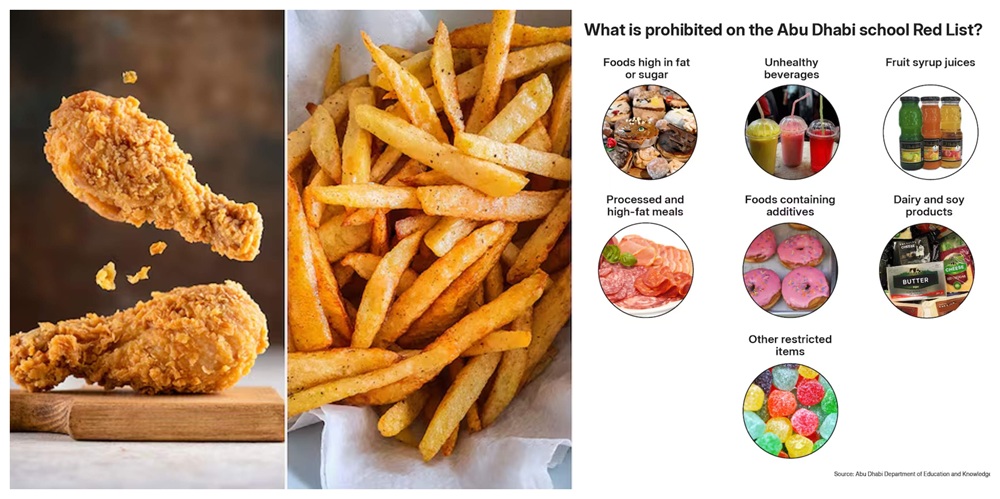
- Fried favourites: Fried chicken, nuggets, falafel, and samosas.
- Salty snacks: Crisps, puffed corn balls, and potato sticks (even if baked).
- Processed meats: Hotdogs, deli meats, and sausages.
4. Ultra-processed items and additives
Chemical additives are a major focus of the QCC guidelines. Schools must avoid foods containing Monosodium Glutamate (MSG), synthetic colours and sauces with high sugar and salt.
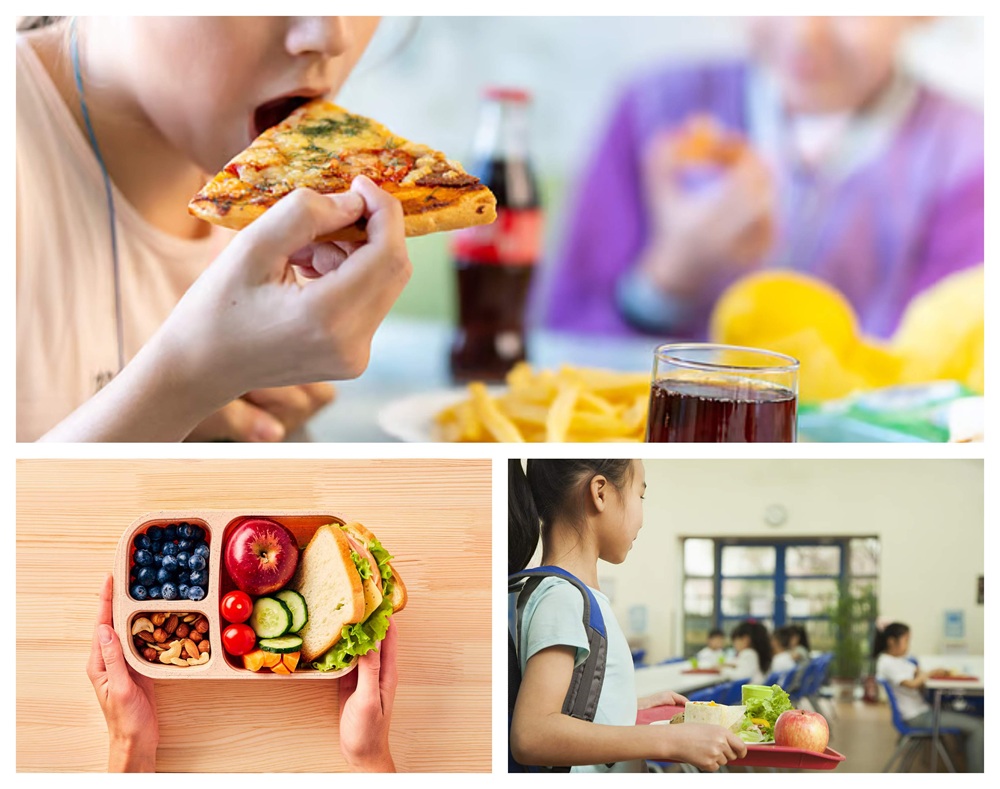
What are the Other restricted items in Abu Dhabi Schools?
Additional foods not allowed in school environments include:
- Pork or pork derivatives
- Foods containing alcohol
- Hydrogenated fats
- Honey for infants under 12 months
- Unpasteurised food or drinks
- Soy milk and soy-based sauces
- Nuts
- Foods that may pose choking hazards
- Certain synthetic colorings and flavorings can potentially cause hyperactivity or allergic reactions in sensitive children.
- High fructose corn syrup is associated with obesity and metabolic issues, leading to its discouragement in products.
Schools must communicate these rules clearly to parents and monitor compliance through regular checks by designated staff such as nurses or health and safety officers.